


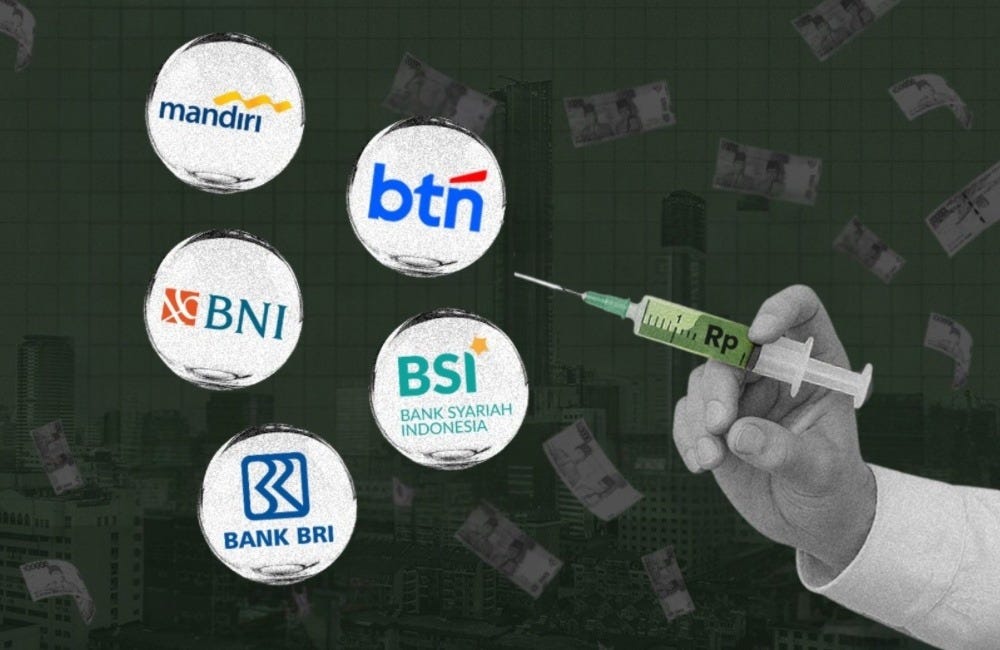
The newly appointed Indonesian Minister of Finance (MoF) has made a bold move by injecting IDR 200 trillion (equivalent to $12 billion) into SOE banks, hoping it would boost growth through higher liquidity.
This step is perceived positively by market participants, especially as the new Minister gives a fresh posture that is vastly different from his predecessor’s conservatism and appears more aggressive in supporting the economy.
Despite the optimism, we think this policy only offers short-term relief and is unlikely to accelerate the economy meaningfully because structural issues remain that hinder Indonesia’s growth potential.
For example, these structural challenges include: 1). Weak labor market and lower income for the productive and middle-class population, and 2). Lack of fiscal flexibility (and execution) to finance large-scale spending programs.
Although the new initiative adds liquidity to the banking sector to some extent, it will not necessarily accelerate economic activities, particularly household consumption.
There must be a coordinated top-down policy implementation across the government to genuinely support growth, not just a stand-alone effort from the MoF.
Thus, we continue to expect the economy to grow around +5% this year.
Additionally, the recent share price appreciation in SOE banking stocks should already reflect the optimism from the liquidity program, while weakening asset quality and limited lending opportunities remain unresolved for now.
Ultimately, financial markets moved from negative to positive in just a week, highlighting the “new normal” of volatility-driven environment that investors must navigate amid Indonesia’s patchy politics.