


United States and Iran have made substantial attempts to de-escalate the war by announcing a ceasefire agreement, which is reportedly extended from 2-weeks to 4-weeks to allow more time for negotiations.
However, as of the time of writing, no formal confirmation has been announced by either government, although the United States Press Secretary reaffirmed that discussions are ongoing and “productive.”
Meanwhile, news outlets have reported that diplomatic channels are being explored to facilitate a second round of negotiations between the United States and Iran, after both sides failed to secure a more permanent peace deal during their meeting last week.
Notably, the deadline for the 2-weeks ceasefire agreement is set to expire on 22nd of April.
Additionally, following the ceasefire announcement, oil prices have eased to around $90-95/barrel for both Brent and WTI futures, as the market remains hopeful that there may be “light at the end of the tunnel.”
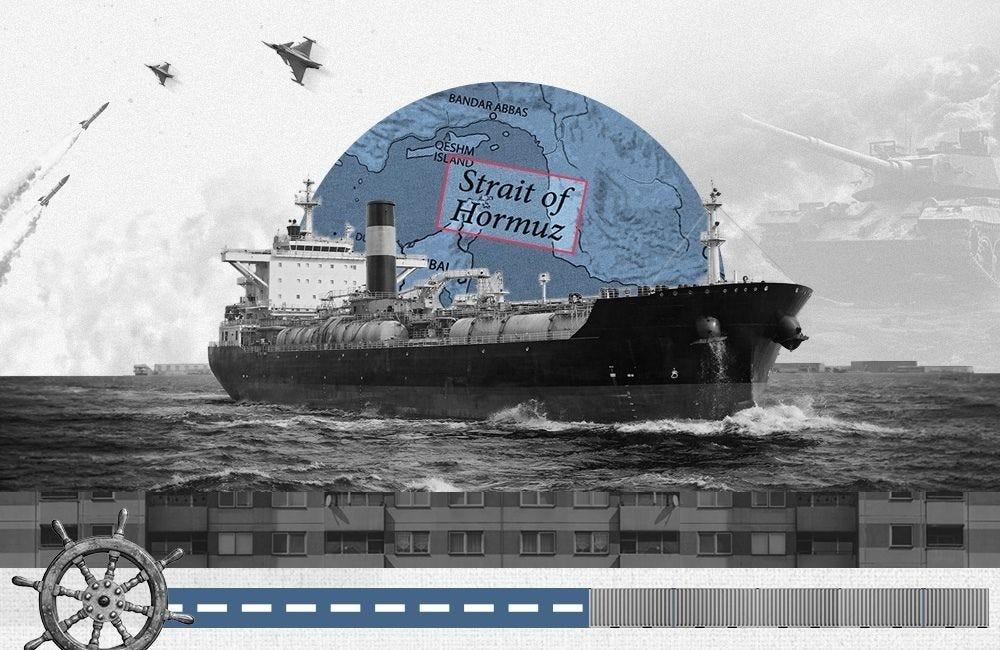
However, it remains the case that the Strait of Hormuz is still effectively shut, and oil flows have not improved meaningfully since the ceasefire announcement, which risks prolonging the supply shock in energy markets.
In fact, the relative calm in oil futures appears to underestimate the physical strain currently faced by many countries, especially since global oil inventories have largely been depleted to cushion the supply shock so far.