
Indonesia is embarking on a new path, implementing two of the most significant trade policies in the past decades that could have a profound impact on the economy.
The first tightens a rule that has existed since 2011, where natural-resource exporters must bring 100% of their proceeds into Indonesia’s financial system and park them exclusively at state-owned enterprises (SOE) banks.
The second is a structurally new scheme where exports of coal, CPO, and ferro-alloy must flow through a single state-owned intermediary called Danantara Sumberdaya Indonesia (DSI).
The government’s stated rationales are simple:
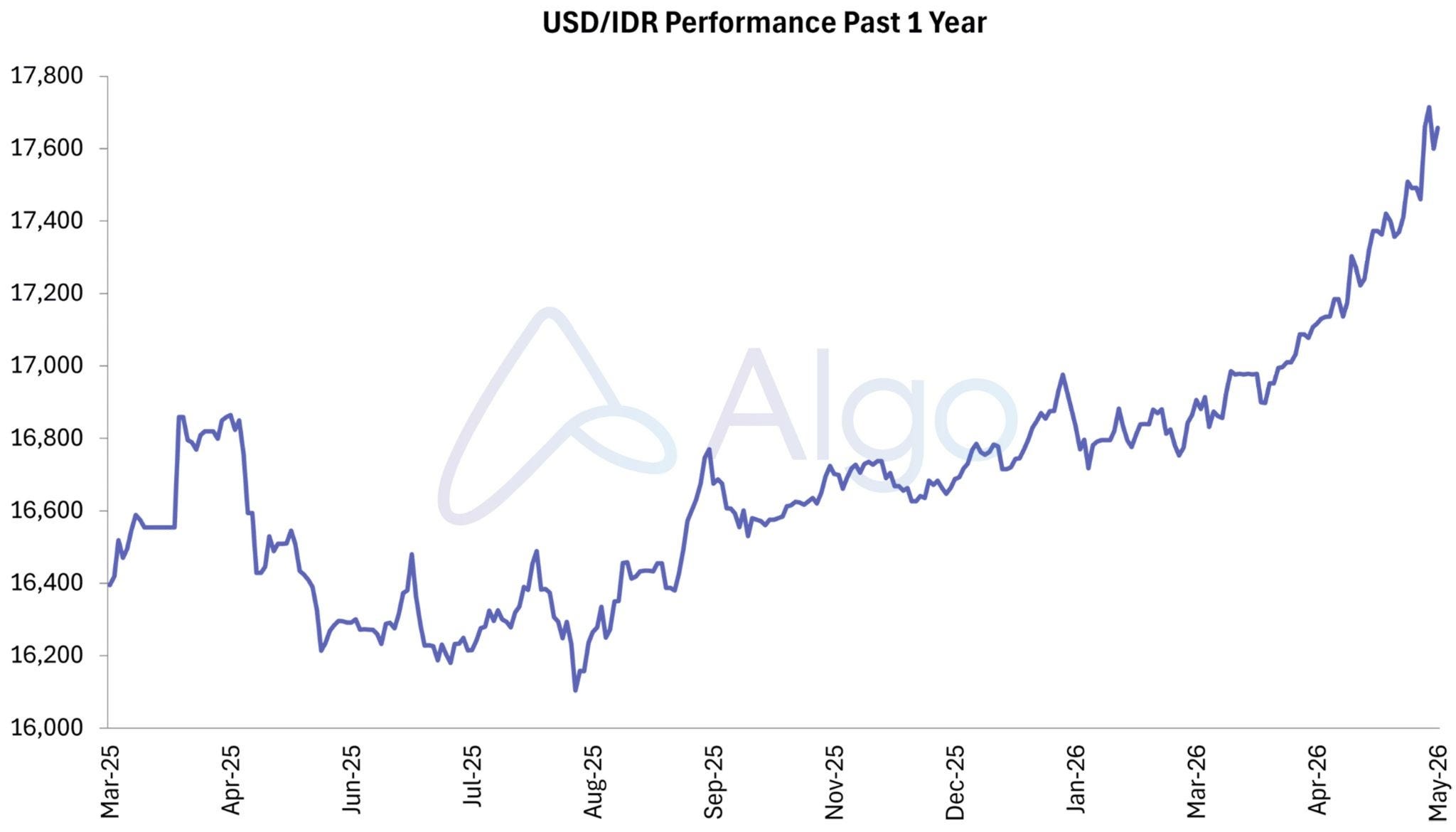
Indonesia has an inherent problem where it generates significant USD export proceeds, but those dollars do not stay onshore long enough to support the currency.
The problem is also amplified by under-invoicing practice where exporters deliberately state lower values on shipping documents than the actual price received.
Thus, both policies are designed to fix those problems where the FX repatriation is done through DHE while the DSI export centralization is aimed to solve under-invoicing.
Accordingly, Indonesia will face its first real test of whether its commodity export infrastructure can absorb this level of new state intermediation without both global and domestic supply-side disruptions.